There’s no matcha in knoxville
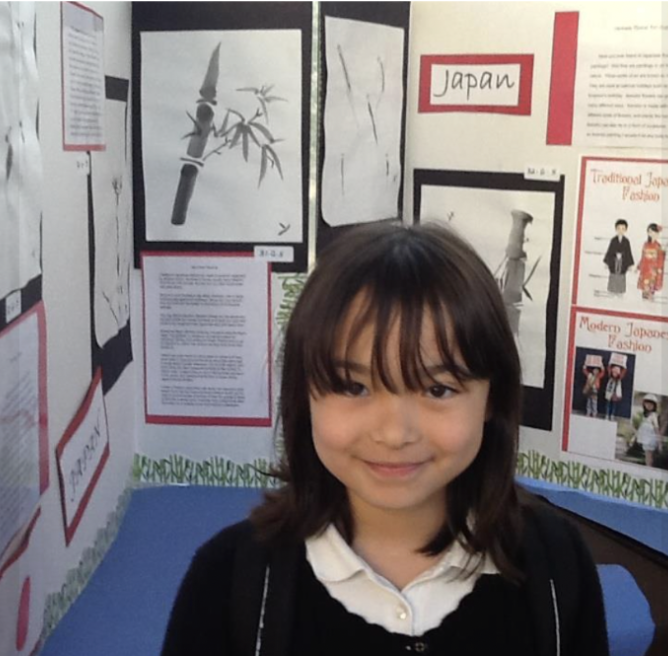
Knoxville, TENN. — I looked as Japanese as I could get. Instead of the ruffles and frills Southern mothers dressed their daughters in, I wore the classic haircut I thought signaled something closer to home: straight bangs and a bob. I remember it vividly.
On school mornings, I would shuffle into the kitchen wrapped in a blanket, still half asleep and smell what my mom was making for lunch. The scent was familiar and comforting, even if my body reacted in contradiction.
My stomach would growl at the thought of a salmon rice ball, my favorite, while my nose scrunched almost automatically. It wasn’t what I wanted to do but almost what my body thought I should do.
By then, I had already learned the choreography of difference.
I would thank my mom with the widest, most convincing smile I could manage. The more tooth gaps showing, the better.
She woke up 20 minutes early to make onigiri, or “rice balls” as I called them to my classmates, shaping each one by hand before packing them neatly into a bento box.
By the time I got to the lunch table, gratitude gave way to anxiety. I could already imagine the questions and stares.
The same thing happened on weekends when my mom made what other kids called her “green drink.” I can still hear the high-pitched chorus, “Ewwww… what is that?”
So I learned to keep certain things at home. Rice balls. Matcha. Anything that felt too unfamiliar to survive the cafeteria.
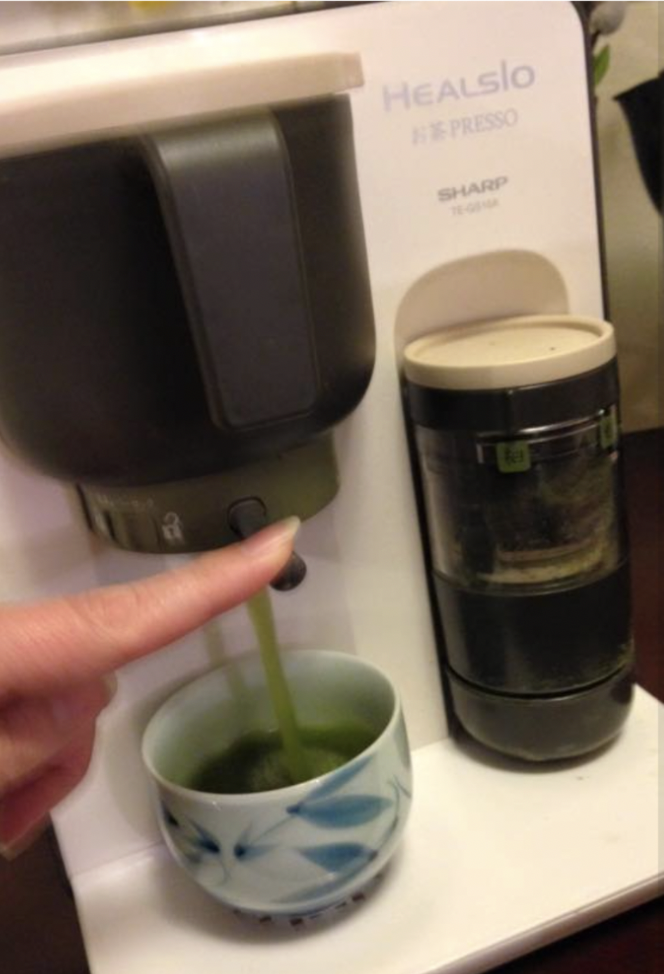
It took me over 15 years — and eventually a therapist — to realize how much I had internalized other people’s reactions. Looking back, this is where it began. It wasn’t just about the discomfort but the quiet reshaping of what I allowed myself to enjoy in public.
Now, in 2026, I can’t walk down Ped Walkway without seeing someone carrying a matcha. More often than not, it’s someone who doesn’t share the cultural context I once tried to hide.
The shift is hard to miss.
To be fair, not everyone likes matcha. I still hear friends say, “It tastes gross.” Sometimes, they aren’t wrong; matcha can taste grassy and bitter. But that’s the point. That’s what it’s supposed to taste like.
Matcha dates back to 12th-century Japan, where it was used in traditional tea ceremonies. Finely ground green tea leaves are whisked with hot water using a bamboo brush. The process is simple and deliberate. The preparation is slow, precise and rooted in ritual.
What exists now is something else.
By 2025, global demand surged so dramatically that matcha supply tightened worldwide. “A record-breaking heat wave, an aging farming population and the intricate production process involved with high-quality matcha have led to significant supply shortages and an explosive increase in prices.”
At the same time, its popularity exploded across social media as a part of a carefully curated aesthetic. A few celebrities who have posted with a matcha include Selena Gomez, Hailey Bieber, Kourtney Kardashian and Lady Gaga.
Today, nearly every coffee shop offers matcha in some form. In Knoxville, it lives almost exclusively on coffee menus nestled between lattes and cold brews. It’s often pre-sweetened, too milky and dull in color. It’s more like a suggestion of matcha than the real thing.

There are no dedicated Japanese-owned matcha shops here with no large local community shaping how it’s prepared or understood. Instead, matcha is filtered through a coffee culture that prioritizes speed, customization and convenience.
It’s not necessarily bad, but it sure isn’t right.
The color I once tried to hide is now something people seek out to “try” and photograph. It’s a quick trend. For me and almost 122.6 million other people in Japan, matcha is more than a drink — it’s our culture.
Matcha itself never changed. People’s relationship to it did.
Cultural foods often follow this pattern: unfamiliar, avoided, rediscovered, then repackaged. Think about how many Tex-Mex restaurants line Kingston Pike. They’re iterations of something rooted elsewhere, adjusted to meet a different audience.
This process often leaves ritual and meaning behind. What remains is the surface: the color, flavor, idea of authenticity without depth.
I think about what it would have meant to carry a matcha into school back then, compared with now. Today, I can order one without hesitation, even if it’s overly sweet and doesn’t quite taste right.
The matcha I grew up with doesn’t really exist in Knoxville. But pieces of it do.
You just have to know what you’re tasting for.
If you want my local recommendation, head over to K-Brew on North Broadway and ask for Emery’s strawberry shortcake sweet foam matcha. It’s the perfect balance of sweetness and true matcha flavor.